
The Crown Jewel of British Theatre: The Enduring Legacy of London's West End
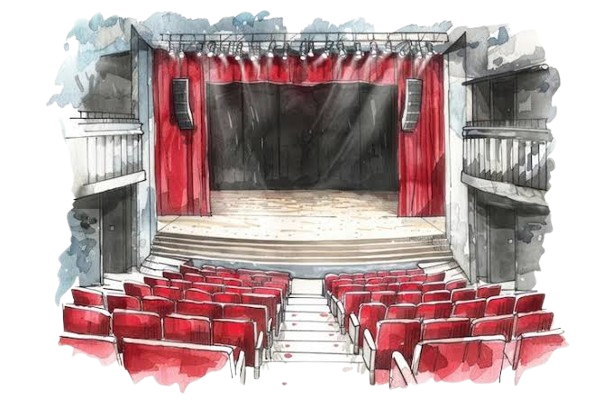
"The lights glow over Leicester Square, audiences stream into historic playhouses, and behind velvet curtains actors prepare to step onto stages that have witnessed centuries of theatrical history. This is the West End - one of the world's most celebrated homes of live theatre."
If Broadway is often regarded as the commercial heart of American theatre, then the West End is its British counterpart - a district where history, artistry, and theatrical excellence converge. Located in the heart of London, the West End is more than a collection of theatres; it is a cultural institution that has shaped the development of modern drama, musical theatre, comedy, and performance for generations.
For theatre lovers around the world, performing in the West End is a mark of distinction. It is a place where Shakespeare shares the spotlight with contemporary playwrights, where experimental productions stand alongside blockbuster musicals, and where centuries of theatrical tradition continue to evolve before modern audiences.
The story of the West End is ultimately the story of theatre itself: a story of reinvention, resilience, and the enduring appeal of live performance.
A District Built on Performance
The origins of London's theatrical culture stretch back to the Elizabethan era, when playwrights such as William Shakespeare helped establish England as a major center of dramatic art. However, the modern West End began to emerge during the eighteenth and nineteenth centuries as London's entertainment district expanded westward from the historic City of London.
As the British Empire grew and London became one of the world's most influential cities, theatres flourished around areas such as Covent Garden, Drury Lane, Soho, and Leicester Square. Grand playhouses were constructed to accommodate growing audiences eager for drama, opera, comedy, and musical entertainment.
Over time, the term "West End" became synonymous not merely with a geographical location but with a standard of theatrical excellence recognized around the world.
Today, the district is home to dozens of professional theatres, many of which are architectural landmarks in their own right.
Where History Lives Onstage
One of the most distinctive features of the West End is its remarkable sense of continuity.
Unlike many modern entertainment districts, the West End is deeply connected to its past. Several of its theatres have operated for well over a century, serving as living museums of theatrical history.
The legendary Theatre Royal Drury Lane, for example, traces its origins back to the seventeenth century and stands among the oldest continually operating theatres in the world. Generations of actors, playwrights, and audiences have passed through its doors.
This historical depth gives the West End a unique atmosphere. Every performance takes place within a tradition shaped by centuries of artistic achievement.
For many theatre-goers, attending a West End production is not merely entertainment - it is participation in a living cultural heritage.
The Home of Great Drama
Although the West End is renowned for its musicals, it has long been one of the world's foremost centers for dramatic theatre.
The plays of Shakespeare remain a vital part of London's theatrical landscape, regularly attracting both local audiences and international visitors. Alongside these classics, the West End has championed the works of major playwrights such as Harold Pinter, Tom Stoppard, Alan Ayckbourn, and Caryl Churchill.
Many groundbreaking plays have premiered in London before achieving international success. The West End has often served as a bridge between traditional dramatic forms and contemporary theatrical experimentation.
Its stages continue to demonstrate that theatre can entertain while simultaneously challenging audiences intellectually and emotionally.
The Musical Capital of Europe
For many visitors, however, the West End is synonymous with the musical.Throughout the twentieth century, London became a major center for musical theatre production, attracting composers, lyricists, directors, and performers from around the world.
The success of musicals such as Les Misérables, The Phantom of the Opera, Cats, and Miss Saigon helped establish the West End as one of the leading destinations for large-scale theatrical productions.
These productions demonstrated how music, storytelling, design, and performance could combine to create immersive theatrical experiences capable of reaching audiences across cultures and generations.
Many shows that achieve success in London eventually travel to Broadway and beyond, further strengthening the connection between the world's major theatre capitals.
The Influence of British Theatre
The West End has played a crucial role in shaping modern theatre practice.
British acting traditions, rehearsal methods, stagecraft, and dramaturgy have influenced theatre artists around the world. The district has also served as a training ground for performers who later achieved international acclaim in film, television, and theatre.
Many of the world's leading actors have appeared on West End stages, viewing theatre not as a stepping stone but as an essential artistic home.
The emphasis on language, character development, and ensemble performance remains one of the defining characteristics of British theatrical culture. As a result, the West End continues to be regarded as a place where artistic rigor and popular appeal can successfully coexist.
The Audience Experience
The West End offers an extraordinary diversity of theatrical experiences.
On any given evening, audiences may choose between Shakespearean tragedy, contemporary political drama, experimental theatre, family entertainment, stand-up comedy, immersive performance, or a large-scale musical spectacle.
This variety reflects the district's ability to serve both dedicated theatre enthusiasts and casual visitors.
The intimacy of many West End theatres also distinguishes them from larger entertainment venues. Even in grand auditoriums, audiences often feel a close connection to performers, reinforcing the uniquely personal nature of live theatre.
The result is an environment where theatrical traditions remain vibrant, accessible, and deeply engaging.
Competition, Recognition, and Prestige
Just as Broadway has the Tony Awards, British theatre celebrates excellence through the prestigious Laurence Olivier Awards.
Named after the legendary actor and director Laurence Olivier, these awards recognize outstanding achievements in acting, directing, design, choreography, writing, and production.
An Olivier Award is widely regarded as one of the highest honors in professional theatre and serves as a testament to the remarkable artistic standards maintained within the West End.
The awards also highlight the collaborative nature of theatre, celebrating the countless artists and technicians whose work makes each production possible.
West End in the Modern Era
Like theatres around the world, the West End has faced significant challenges in recent decades. Economic pressures, changing audience habits, and the rise of digital entertainment have required constant adaptation.
Yet the district has repeatedly demonstrated its resilience.
Contemporary productions increasingly reflect diverse voices, new perspectives, and innovative staging techniques. Emerging playwrights continue to find opportunities alongside established masters, ensuring that the theatrical tradition remains dynamic rather than static.
Technology has enhanced production possibilities without diminishing the essential human connection at the heart of theatre.
The West End's ability to balance tradition with innovation has been one of the keys to its enduring success.
A Global Stage
Today, the influence of the West End extends far beyond London.
Its productions tour internationally, inspire regional adaptations, and shape theatrical trends across continents. Theatre professionals from around the world travel to London to study productions, observe performance practices, and engage with one of the richest theatrical cultures on earth.
The West End has become a global meeting place where artistic traditions intersect and new ideas emerge.
Its stages continue to demonstrate that theatre is not merely an entertainment industry but a vital cultural force capable of connecting people across languages, nations, and generations.
Why the West End Matters
What makes the West End extraordinary is not simply its commercial success or historical significance. It is its ability to preserve the past while embracing the future.
Within a few streets of central London, centuries of theatrical history coexist with contemporary creativity. Shakespeare's legacy stands beside modern musicals. Historic playhouses welcome innovative productions. Established traditions meet new artistic voices.
The West End reminds us that great theatre is both timeless and constantly evolving.
As audiences continue to gather beneath its marquees and performers continue to step onto its stages, the West End remains what it has always been: a place where stories come alive, where imagination takes center stage, and where the enduring power of theatre continues to captivate the world.
For generations, London's West End has been one of the great capitals of world theatre. And judging by the crowds still filling its auditoriums night after night, its story is far from over.